Alpine Seasons, Wild Harvests, and the Art of Keeping Flavors Alive

Join us on a high-altitude journey through Seasonal Foraging in the Alps and Slow Food Preservation Techniques, discovering when mountains quietly offer their most generous flavors and how to patiently keep them vibrant. From snowmelt greens to autumn berries, learn respectful harvesting, safe identification, and time-honored methods that celebrate place, season, and community. Share your experiences, ask questions, and help shape a living pantry of mountain wisdom together.

Reading the Mountain Calendar

Understanding the Alps begins with listening to shifting light, melting snowfields, and the hush of wind over larch. Phenology becomes your guidebook: altitude delays bloom, slopes catch sun unevenly, and valleys hold lingering frost. By learning these cues, you’ll time your walks to greet tender shoots, fragrant tips, and berries at perfect ripeness, while respecting fragile habitats and leaving enough bounty to nourish wildlife and future wanderers.

Look-Alikes and Fieldcraft Basics

Some edible species sit beside dangerous neighbors. Wild garlic resembles lily-of-the-valley; consult leaf structure, scent, and flower form before tasting. Confirm identity with at least three characteristics, never relying on a single trait. Photograph plants, note altitude and aspect, and log bloom stages through seasons. Practice with mentors, carry charcoal or soap for post-harvest cleaning, and remember: uncertainty means leaving the specimen in peace, honoring caution over curiosity.

Harvest with a Future in Mind

Sustainability blooms from restraint. Clip, don’t yank, leaving crowns intact and roots undisturbed. Spread your collecting across wide areas to reduce pressure on any single patch. Avoid taking first or last plants, never stripping entire stands, and prioritize invasive edibles where appropriate. Keep baskets airy, skip plastic bags, and stop early if signs of overharvest appear. The ultimate goal is invisible footprints—biodiversity strong, soils covered, ecosystems quietly thriving after your visit.

A Flavor Library of Alpine Plants

The Alps host small, potent ingredients that sing in simple preparations. Wild garlic brightens oils and pestos; spruce tips sparkle in syrups, vinegars, and butters; bilberries and lingonberries balance richness with lively acid. Juniper lends piney depth to game and preserves. Learn each plant’s character, habitat, and culinary partners. Celebrate protected beauties like edelweiss by admiring, not picking, preserving wonder with photographs and stories rather than careless hands.

01

Wild Garlic and Spruce Tips: Bright, Green Electricity

Layer glossy, garlicky leaves with the citrus-resin pop of young spruce tips for unforgettable compound butters and quick marinades. Blanch, shock, and freeze wild garlic to retain color, then fold in minced tips and lemon zest. Spoon onto grilled trout, swirl through risotto, or finish roasted potatoes. The pairing delivers alpine sunlight in spoonfuls, inviting you to celebrate spring without overpowering delicate textures or masking subtle mineral notes.

02

Bilberry, Lingonberry, and Juniper: Tart, Piney Counterpoint

Combine bilberries’ inky depth with lingonberries’ brisk snap, then whisper juniper into the pot for forest-forward jams and chutneys. Macerate with modest sugar, cook gently, and finish with apple cider vinegar for balance. These preserves cut through rich cheeses and game while brightening porridge or yogurt. Their flavors travel through seasons, tasting of cool mornings, mossy shade, and high, clean air gathered respectfully in stained fingertips and smiling pockets.

03

Admire, Don’t Pick: Edelweiss and Other Protected Wonders

Edelweiss symbolizes alpine tenacity and deserves protection, not plates. Learn to identify charismatic, vulnerable plants so you can photograph, sketch, and teach others without touching. Share coordinates only responsibly, avoiding viral hotspots. Let reverence shape your practice: gather common, resilient species generously supported by habitat, and treat rare beauty as an invitation to care. Preservation sometimes means leaving hands empty and heart full, still nourished by the mountain’s quiet generosity.

Lacto-Fermented Mountain Kraut with Juniper Warmth

Shred cabbage with ribbons of wild garlic or caraway-scented seeds, sprinkle calculated salt by weight, and massage until brine releases. Tuck a few lightly crushed juniper berries for resinous comfort. Pack tightly, submerge fully, and burp thoughtfully during vigorous early days. Label altitude, temperature, and tasting notes. When acidity rounds, serve beside roasted roots or cured trout. The jar tells of alpine fields, patient hands, and quietly fizzing life.

Low-Temperature Drying, Stringing, and Shade Patience

Dry nettles, mint, and thyme in well-ventilated shade, preserving chlorophyll and perfume. Use mesh racks or traditional strings, turning gently to prevent case-hardening. Target temperatures that protect volatile oils while discouraging spoilage. Store in dark jars, label microclimate details, and crumble only before cooking to release aroma. A winter pot of beans, revived by a pinch of alpine herbs, recalls breezy balconies and afternoons measured by crickets and clouds.

Herbal Salts, Medicinal Honeys, and Bright Vinegars

Pulse flaky salt with thoroughly dried spruce tips or wild garlic crumbs for finishing sparkle. Steep clean, dry blossoms in honey, stirring weekly until flavors merge into soothing spoons for tea and toast. Build vibrant vinegars with bilberries and thyme, balancing acid and sweetness for dressings, pickles, and pan sauces. Share creative blends with friends, compare tasting notes, and trade ideas that keep mountain flavors lively across kitchens and seasons.

Stories from the High Trail

A Grandparent’s Basket and a Meadow of Aromas

I learned gentleness trailing behind a grandparent whose basket never overflowed, though meadows were generous. We paused to thank places, naming plants softly, leaving first and last specimens untouched. That quiet practice carried into every kitchen: seasoning with memory, preserving with gratitude, and tasting family stories in broths and jams. Add your lineage to ours; what habits or songs guide your hands when the hills open?

Thunder, Mist, and the Golden Glow of Chanterelles

We almost turned back when thunder rolled and mist sketched ghostly pines, but a sheltered bank revealed chanterelles flaring like small suns. We picked sparingly, cutting cleanly and brushing soil back into place. Back home, butter met thyme, and dinner tasted of rain-soaked stone and rescued afternoon. Share your serendipities, near-misses, and rescues; these small dramas season technique with courage and remind us to move kindly.

A Child’s First Identification Triumph
A tiny voice shouted, “Bilberries!” and indeed, those dusky globes stained palms and tongues with joy. We triple-checked characteristics, celebrated patience, and counted quietly in handfuls rather than heaps. Later, jam set softly, becoming pancakes’ purple crown. Teaching builds safety and delight together, each correct call a lantern for the next walk. What beginner’s wins have brightened your path, and how did you mark the moment?

From Forage to Table: Planning, Pairing, and Sharing
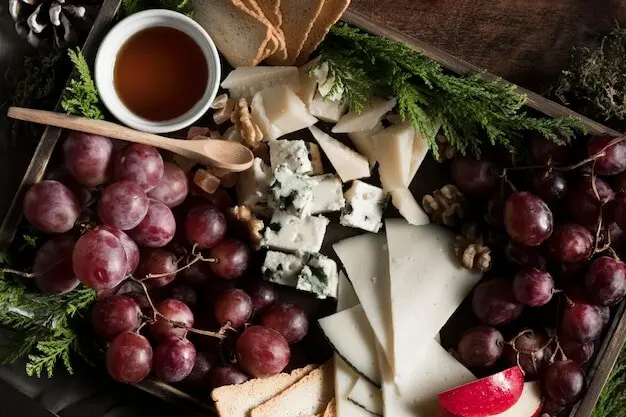
Transforming harvests into meals is choreography: a calendar of jars, drying ropes, and fermenting crocks supporting simple, joyful cooking. Pair bright preserves with hearty grains and root vegetables; stretch herbs through soups and sauces; organize weekly menus around what jars whisper to use next. Invite neighbors for tastings, swap recipes, and keep a communal ledger of successes and lessons. Collective kitchens strengthen resilience and flavor every meal with friendship.
Temipexirinotavosento
Privacy Overview

This website uses cookies so that we can provide you with the best user experience possible. Cookie information is stored in your browser and performs functions such as recognising you when you return to our website and helping our team to understand which sections of the website you find most interesting and useful.