Fireside Alps: Smoke, Stone, and Storied Provisions

Step into the glow where wood-fired Alpine cooking meets the comfort and thrift of heritage pantry staples. We explore ember-guided techniques, sturdy cast-iron rituals, and mountain provisions like buckwheat, dried porcini, aged cheeses, and speck, turning simple stores into generous meals. Follow along, breathe the resinous air, and taste how smoke, patience, and high-country larders shape food that warms hands, stories, and spirits.

Reading the Fire, Tasting the Mountain

Good firecraft begins with listening. Flames roar, then soften into steady embers that sear, bake, and gently simmer in mountain air. Learn to bank coals, create heat zones, and read color cues on iron and stone, because altitude, dryness, and fuel choice shift temperatures quickly. With patience, a humble hearth becomes a precise instrument, delivering crusts that sing, mushrooms that sigh, and broths that whisper smoke without bitterness.

Pantry of Peaks: Quiet Staples with Long Memories
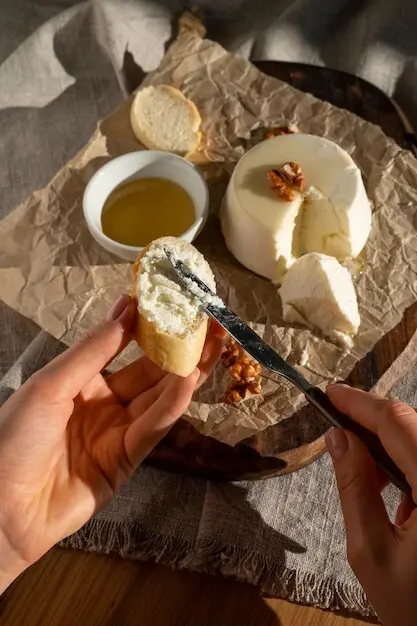
High valleys taught cooks to treasure durability and depth. Buckwheat and rye carry nutty backbone, polenta bramata brings texture, barley comforts gently, and chestnut flour perfumes batter like woodsmoke. With dried porcini, juniper, stone-milled grains, mountain honey, and firm cheeses, these shelves turn scarcity into savor. They invite slow soaking, respectful seasoning, and confident improvisation around fire, stretching seasons while honoring landscapes and the patient hands that stored them.

Grains and Flours That Warm Winters

Choose stone-milled buckwheat for earthy noodles or hearty batters, coarse cornmeal for spoonable polenta, and hulled barley for brothy stews. Blend rye with wheat for resilient crusts. Toast dry in cast iron first to wake aroma, then hydrate patiently.

Cured, Aged, and Smoked

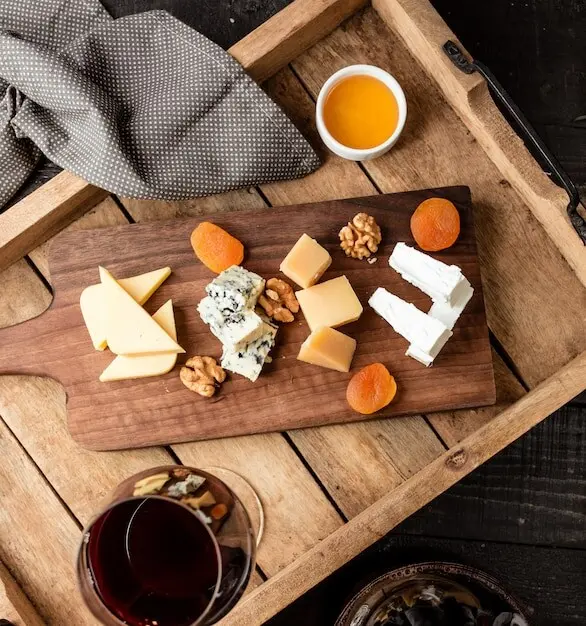
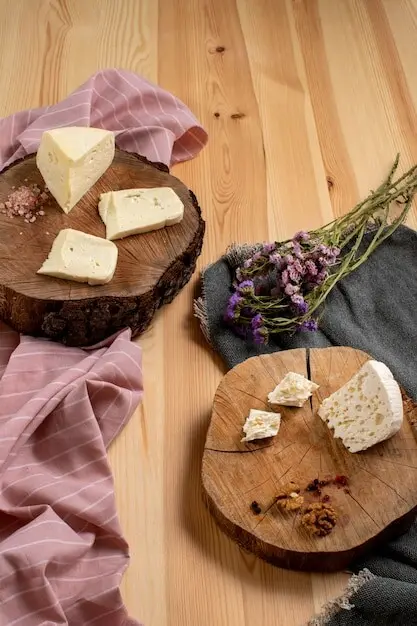
Speck, bresaola, and lardo bring concentrated nourishment and persuasive seasoning. Shave thin to melt over heat or dice small to start soffritto. Aged Fontina, Gruyère, or Tomme anchor gratins and toasts. Let smoke accent, not dominate, and welcome juniper politely.

Jars, Jams, and Forager’s Gold

Keep dried porcini, chanterelles, and morels near the fire, alongside sour cherries, bilberries, and spruce-tip syrup. Pickled ramps, pearl onions, and cabbage sharpen rich plates. Rehydrate with gentle stock, reserve soaking liquor, and layer acidity to brighten deep mountain flavors.

Dishes by the Hearth: Cast-Iron Classics Reimagined

Ember-Roasted Polenta with Wild Mushrooms

Cook coarse polenta slowly with whey or stock, stirring until waves grow glossy. Fold in butter and a fist of grated Fontina, then spoon into a preheated skillet. Crown with porcini seared on embers, parsley, and juniper-lemon butter.

Raclette by the Wall of Heat

Position a halved wheel near the radiant zone, not in direct flame. When the face blisters and trembles, scrape onto ember-roasted potatoes, pickled onions, and rye. The pantry adds crunch and tang, the fire contributes blush and perfume.

Buckwheat Pizzoccheri, Smoke-Kissed

Roll and cut rustic noodles, boil briefly, then layer with Savoy cabbage, potatoes, and Fontina. Douse with garlic-sage butter started with speck. Slide close to embers until edges crisp, cheese sighs, and steam carries forests into the hungry room.

Stories from High Valleys

Food travels with memories tucked into aprons and pockets. In the Alps, hearths gathered families through storms and thaw, turning modest stores into feasts flavored by patience and laughter. Listen to three little moments that continue to guide seasoning, firecraft, and generosity whenever the wind knocks politely at the shutters.

Nonna’s Copper Pot

She stirred polenta in a dented paiolo while snow crowded the windows, testing doneness by watching how it pulled from the sides. When the spoon stood, she whispered good, then tipped it onto a board, crisped slices later by embers.

The Shepherd’s Birch Spoon

Up the pasture, lunch meant barley bubbling beside the salt-licked walls of a tiny hut. He carved a spoon from birch, tasting for smoke before salt, because wood changes broth first. That ladle still hangs above today’s cast-iron pan.

A Loaf from a Stone Oven

The village bakehouse lit only once a week. Doughs waited in linen, then rushed inside on long peels, singing as crusts blistered. Everyone traded ends and stories. That same rye levain now feeds morning pancakes and hearthside croutons.

Tools, Vessels, and Quiet Rituals

Cast Iron, Soapstone, and Clay

Choose heavy skillets, Dutch ovens, and lidded casseroles that retain heat through door openings. Soapstone griddles deliver even browning on rösti and chestnut cakes. Clay excels for beans and barley. Warm gradually, never shock with cold, and season respectfully.

Peels, Hooks, and Hearthside Safety

Keep a flat peel for breads and pizzas, a turning peel for pans, and sturdy hooks for kettles. Wear natural-fiber gloves, secure sleeves, and good boots. Manage sparks, mind children and pets, and keep sand or salt nearby, never water.

Cleaning, Seasoning, and Resting

Brush grates while warm, wipe pans with salt and a folded cloth, then a breath of oil. Let roasts and bakes rest off heat to redistribute juices and set crusts. The quiet minute after cooking often delivers the brightest flavors.

Gather, Share, and Keep the Fire

Setting the Table, Warming the Conversation

Favor wood, linen, and chipped enamel that tell stories without fuss. Serve family-style from hot pans onto warmed plates. Pass pickles and mustards early. Ask guests to grate cheese, turn a pan, or mind the ember bank, welcoming participation naturally.

Pairings from Slopes and Cellars

Mondeuse, Teroldego, and Lagrein love smoke and fat; crisp Swiss whites refresh cheese-rich bites. Alpine pilsners clean the palate, while gentian or pine liqueurs echo forests afterward. Offer herbal tisanes with honey for drivers, and a celebratory square of chocolate.

Join the Circle

We would love your questions, pantry lists, and ember experiments. Share photos, swap tips, and tell us about a fire that went wrong and what you learned. Subscribe for new recipes and stories, or comment below so the conversation keeps warming.
Temipexirinotavosento
Privacy Overview

This website uses cookies so that we can provide you with the best user experience possible. Cookie information is stored in your browser and performs functions such as recognising you when you return to our website and helping our team to understand which sections of the website you find most interesting and useful.